
Navigating Changes in Hunting Regulations: Adapting Your Deer or Elk Hunt
shifts can suddenly turn a well‑planned hunting adventure into a tangled decision‑making maze even before the first step onto the trail. Changes in season dates, unit boundaries or antler rules can all alter the hunt you imagined. Than asking a guide to find a loophole the smartest move is to check the new regulations carefully learn what hunting is allowed under those rules and decide ahead of time which hunting changes you will accept.
Distinguish Between Facts and Rumors
Hunters often hear about regulation changes in ways-through casual chats, old printouts, social media posts or forwarded messages. While those talks may mention changes they usually do not reflect what hunting law really says. A change might apply to one unit, a specific weapon type, a license category or a particular species not to the whole state.
To navigate these changes well begin by checking the regulations that match your hunting permit and the season you plan to hunt. It is vital to look at the wildlife agency that issued your permit instead of using summary searches or PDFs that might be old. Search for amendments emergency notices, boundary maps and any special conditions that might apply. It is wise to download the regulations onto a phone and keep a printed copy just in case the hunting area has weak reception.
Your inquiries should focus on hunting details: What hunting rule has changed? When does the new hunting regulation start? Which hunting licenses, units and species does it affect? If any hunting detail is still unclear contact the wildlife agency directly using the contact method. The guide may explain how the hunting changes affect your trip. The hunting law depends only on the written regulations. Before the hunting trip double‑check the guidelines and keep the agency's contact information handy.
Communicate Clearly with Your Guide
A note saying "I heard the rules changed" leaves too much hunting uncertainty and usually creates confusion instead of clear planning. Instead give the guide the hunting notice, the unit or season it affects and the questions you need answered. Find out whether the original hunting itinerary still works under the hunting regulations whether other hunting areas or species are available with the hunting license and what hunting permits or paperwork would be needed if a change must happen.
The conversation should cover more than hunting law. Talk about how the hunting changes affect access, terrain, travel time, meat handling, shooting chances and scheduling. For example a legal replacement plan could be impossible if it requires travel over unknown hunting ground or if it does not fit the hunting preparation and skill level.
Adjust Your Preparations Accordingly
If the hunting plan changes, update the preparations. Don't assume the original gear and fitness level will work. Hunting deer in woods requires different skills, movement tactics and shooting decisions than hunting elk in wide, steep hunting terrain. Also the same hunting license may not allow the hunting activities in neighboring units.
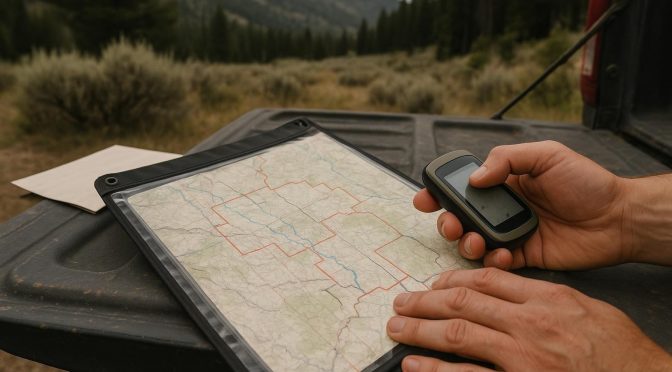
Take time to study maps hunting access rules, land limits and restrictions on routes motor vehicle use, camping spots and carcass transport. Verify which documents must be on hand and whether tag harvest report or species identification rules have changed. Keep the guide's advice, with the hunting sources-never let one replace the other.
Adjust the hunters training to fit the new hunting plan. If the new route requires climbing hills traveling farther or facing colder weather the hunter should discuss pace and when to stop. A hunter who is not well prepared may rush a shot. Ignore signs of tiredness, which can cause bad decisions when pressure is high. The hunter should also change the pack to put safety and preservation needs first for the surroundings.
Establish Ethical Boundaries Before You Hunt
Legal rules only provide the foundation; ethical thoughts are the important part of a hunters decisions during hunting. A shot that follows the law can still be bad if the hunter faces issues such as distance, bad sight, unstable footing or hard‑to‑find recovery paths that risk a clean kill. Before the hunt starts the hunter should decide on the rules that will cause the hunter to stop an attempt. These rules might include not being sure the animal is correct an angle, bad weather or a wounded animal that is hard to track.
The hunter should talk with the guide about how to manage hunting moments. The guide may suggest waiting, moving to another spot or deciding not to shoot all. If the animals features are not clear or the hunter cannot see it well the hunter must not let the pressure of a closing season or new rules push the hunter into a decision.
The hunter should set duties ahead of time. If the hunter takes a shot and hits the animal the hunter must focus on a recovery that follows safety laws and land rules. This might mean delaying the hunter from looking for chances. The hunter should note the animals known spot and move on step by step not just assume that a missing sight means the shoot was perfect. The hunter should hear the guide. Keep responsibility for the hunters own choices.
Embrace Change as a Conservation Challenge
changes usually show what managers need real environmental facts, safety concerns or changing field conditions even though the exact reason can differ with the agency in charge. A responsible hunter does not need to dig into why these changes happen; instead the hunter should follow the rules give reports and avoid using any new loopholes for too much gain.
Before the hunter embarks on a trip the hunter should conduct a checklist:
– Confirm the newest rules, unit assignments and license details with the wildlife agency.
– Share notices and questions with the guide before the trip.
– Check the access level, species, dates, documents needed and reporting duties.
– Set clear limits for shooting, recovery and turnaround steps.
– Decide carefully what to do if the new hunt goes against the hunters legal or ethical plan.
Those final choices need thought. The hunter can choose a plan switch to legal wildlife viewing or even call off the hunt if it no longer fits the hunters rules. The hunter should know that while new rules can be annoying they can also bring chances, for conservation work. Most important the hunter must remember ethical worries-violations or bad management can hurt long after the hunt ends.